How Local Food Markets Preserve Anatolia’s Living Heritage
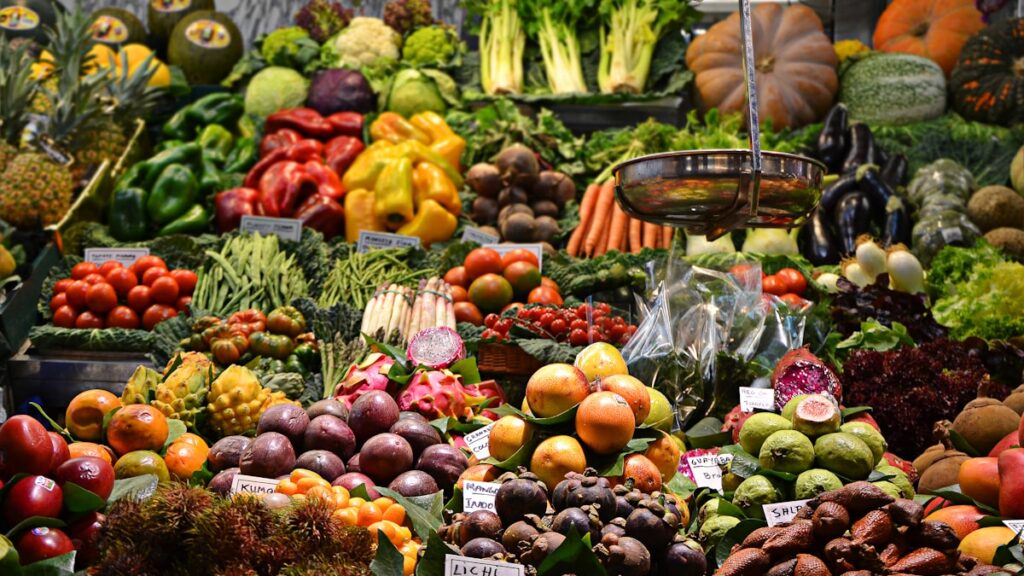
Food markets are often introduced to visitors as colorful places to shop, but their deeper value lies in the knowledge exchanged at each stall. Producers explain when a fruit is ready, how a cheese should be stored and which herb belongs in a regional dish. Customers compare quality through sight, touch and conversation. Across Anatolia, markets connect villages, towns and growing cities through routines that can be both old and highly adaptable. They preserve heritage because people continue to use it, not because it is separated from modern life.
Seasonality creates a shared calendar
Market tables change with climate and harvest. The arrival of fresh greens, stone fruit, peppers or olives gives communities a practical calendar that differs from standardized supermarket supply. Seasonal abundance influences household cooking, preservation and local celebrations. Shoppers learn to recognize short periods when a product is at its best. This knowledge is rarely written as a formal rule; it passes through repeated visits and conversation. Supporting seasonal trade also helps smaller growers sell varieties that may not suit long-distance distribution but remain important to regional taste.
Regional products carry local stories
A jar of molasses, a wheel of cheese or a sack of dried beans can represent soil, weather, labor and family technique. Similar products may vary significantly between neighboring districts. Responsible vendors explain those differences without claiming that one version speaks for an entire region. Clear labeling and geographic indications can protect names, yet legal recognition alone cannot keep a tradition alive. Producers still need fair prices, younger workers and customers willing to learn why methods take time. Markets provide the direct feedback that supports this continuity.
Urban demand can strengthen rural livelihoods
As cities expand, markets offer rural producers access to concentrated demand. The relationship works best when stall fees, transport and storage remain manageable. Cooperatives can help small farms share logistics and present products consistently while preserving individual identity. Urban consumers benefit from fresher goods and a better understanding of where food comes from. However, popularity can also create pressure to simplify recipes or increase output too quickly. Balanced growth requires transparent sourcing and realistic expectations about what small-scale production can supply.
Visitors should participate with respect
Travelers can support living heritage by shopping thoughtfully rather than treating markets as scenery. Ask permission before photographing people, buy modest quantities and avoid blocking narrow aisles. Learn the basic names of products and listen when a vendor explains preparation. Bargaining customs vary, so observe local behavior instead of assuming every price is negotiable. A market visit becomes meaningful when it recognizes the place as working infrastructure. The most memorable discovery is often not a rare ingredient, but the network of skill and trust that brings food to the table.