Why Cultural Dialogue Matters in Cross-Border Relations
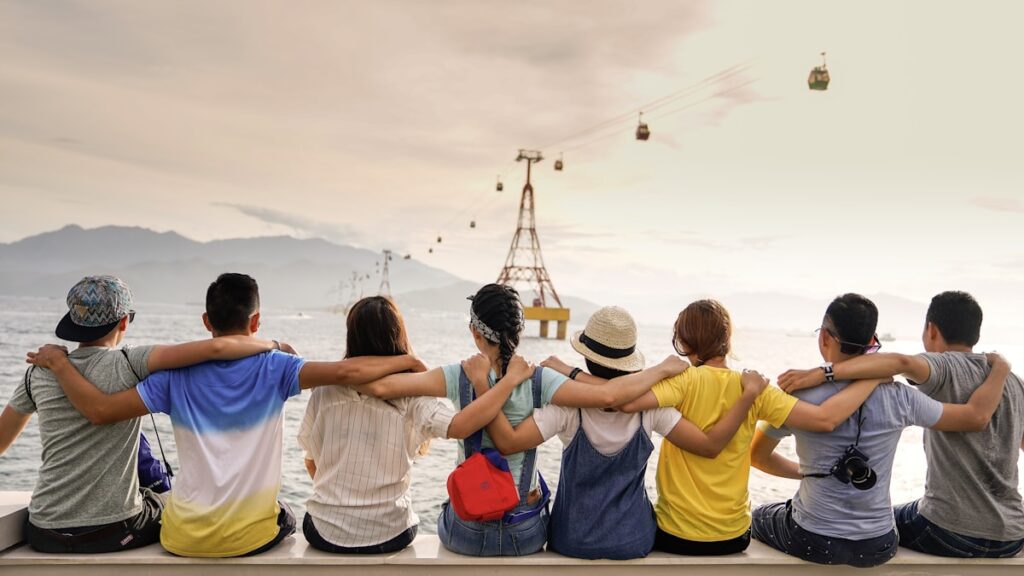
Cross-border relations are often described through treaties, official visits and economic statistics. Yet public attitudes are shaped just as strongly by books, films, food, education and personal contact. Cultural dialogue offers a way to examine differences without demanding immediate political agreement. It can correct shallow assumptions and give communities a language for discussing sensitive questions. When programs are designed as genuine exchanges rather than promotional displays, they create relationships that remain useful long after an exhibition closes or a delegation returns home.
Dialogue begins with careful listening
Effective cultural work does not treat one side as a speaker and the other as an audience. Organizers need to learn which subjects matter locally, which historical memories remain sensitive and which groups are usually left out. A successful program might pair writers, museum professionals or young musicians around a shared theme while allowing them to disagree openly. Listening also changes the choice of venue and format. A neighborhood workshop can produce deeper conversation than a formal reception because participants have more time to explain how culture appears in everyday life.
Translation is more than changing words
Language shapes humor, emotion and historical reference, so literal translation is rarely enough. Skilled translators help audiences understand context without flattening the original voice. The same principle applies to visual art, music and food. Curators should explain why a work matters while leaving room for visitors to form their own response. Good interpretation avoids presenting an entire country as a single tradition. It shows regional, generational and social variety. That complexity makes cultural exchange more credible and prevents familiar symbols from becoming limiting stereotypes.
Education turns events into relationships
Schools and universities can extend cultural dialogue beyond one-time programs. Joint seminars, reading groups and student projects create repeated contact, which is essential for trust. Digital collaboration makes participation possible even when travel budgets are limited. The strongest projects give students a real task, such as recording oral histories, comparing urban design or producing a bilingual magazine. Participants then learn through cooperation rather than passive observation. Teachers also gain professional networks that can support future courses, research and exchanges without relying on a single institution.
Long-term impact requires honest evaluation
Cultural programs are difficult to measure because their most important effects may appear years later. Attendance figures are useful, but they do not show whether attitudes changed or new relationships lasted. Organizers can follow up with participants, track continuing collaborations and invite criticism from community partners. They should also be honest about limits: dialogue cannot solve every political dispute. Its value lies in keeping channels open, broadening knowledge and humanizing people who might otherwise appear only in headlines. That foundation makes more formal cooperation easier to imagine and sustain.