International Students Build New Academic Communities
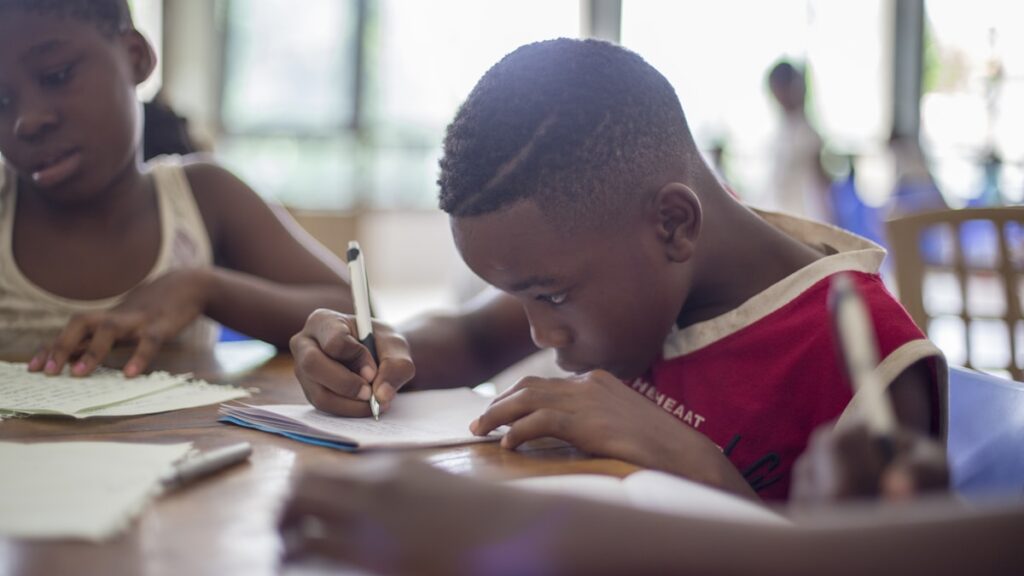
International education is often measured by enrollment, tuition and university rankings. Those figures show scale, but they do not explain whether students feel part of an academic community. A successful international program begins after admission, when students must understand new teaching methods, housing systems, public services and social expectations. Universities that treat this transition as shared work create better conditions for everyone. Local students gain wider perspectives, faculty develop new networks, and visiting students can contribute fully instead of remaining in a separate campus circle.
Orientation should continue through the year
A busy welcome week cannot answer every question. Students encounter different challenges when the first assignment is due, winter arrives or housing contracts change. Universities can offer short orientation sessions at these predictable moments. Clear written guides should explain academic integrity, health services, transportation and emergency contacts in plain language. Peer mentors are valuable when they receive training and know where to refer complex problems. Repeated support normalizes asking for help and prevents small misunderstandings from becoming academic or personal crises.
Language support belongs across the curriculum
Passing a language test does not guarantee confidence in seminars, laboratories or group projects. Academic vocabulary and classroom conventions take time to learn. Writing centers, conversation groups and subject-specific workshops can help without lowering academic standards. Faculty also benefit from guidance on inclusive discussion and clear assignment design. The goal is not to remove every linguistic challenge, but to make expectations visible. When students understand how participation is evaluated, they can focus on ideas rather than guessing which unwritten rule they may have missed.
Community contact changes the experience
Students learn about a country through daily relationships, not only lectures. Partnerships with libraries, sports clubs, volunteer groups and local businesses can create natural opportunities for contact. Activities should be optional, accessible and connected to genuine community needs. A single cultural festival may be enjoyable, but repeated participation produces deeper understanding. Universities should avoid using international students merely as symbols of diversity. They need space to organize their own projects, share criticism and influence the services designed for them.
Alumni networks extend the academic bridge
After graduation, international students often become informal links between cities, institutions and industries. Universities can support that role by maintaining accurate alumni networks and offering events with practical value. Graduates may mentor new students, advise researchers or introduce businesses to unfamiliar professional cultures. Communication should respect privacy and avoid becoming constant promotion. The strongest alumni relationship grows from a positive student experience. When graduates remember a university as a place where they were heard and challenged, they are more likely to sustain cooperation across borders.