Why Logistics Hubs Matter for Eurasian Commerce
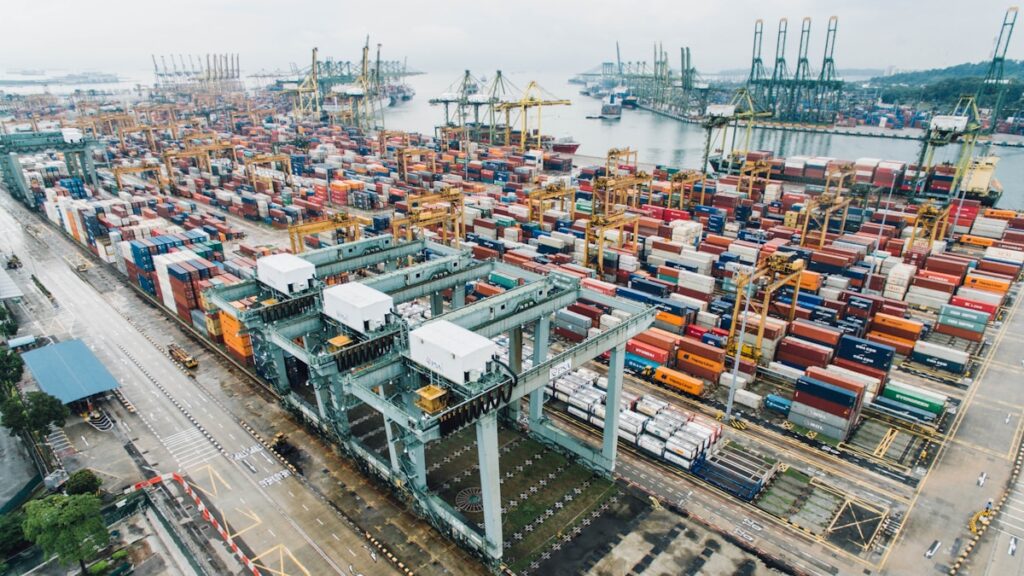
Eurasian commerce depends on geography, but distance alone does not determine whether a route is competitive. Goods move efficiently when ports, rail terminals, highways, airports and warehouses operate as a connected system. Logistics hubs bring these services together and give businesses options when one route is delayed. Their value is not limited to large infrastructure. Customs procedures, digital records, storage quality and trained staff often decide whether a shipment moves smoothly or waits. A successful hub reduces uncertainty as much as it reduces kilometers.
Connections are more important than size
A vast terminal is not automatically an effective hub. The critical question is how easily cargo transfers between transport modes. Rail schedules must align with port operations, trucks need predictable access, and warehouses require enough capacity for temporary peaks. Clear signs, appointment systems and shared data can prevent small delays from spreading through the network. Planners should measure total journey time, including waiting and paperwork, rather than focusing only on travel speed. Reliable connections allow companies to hold less buffer inventory and respond more confidently to demand.
Customs performance shapes competitiveness
Border procedures can add more uncertainty than physical transport. Digital declarations, risk-based inspections and consistent document requirements help legitimate trade move faster while preserving control. Businesses need clear guidance before cargo arrives, especially when several countries are involved. Cooperation between customs agencies, terminal operators and carriers can reduce duplicate checks. Transparency is equally important: companies should understand fees, expected processing times and appeal procedures. When rules are predictable, smaller exporters can use international routes that might otherwise seem too difficult or expensive.
Hubs can create local economic clusters
Warehousing is only one part of a logistics economy. Repair services, packaging firms, freight technology, insurance and training centers often develop nearby. These businesses create jobs and allow the region to capture more value from passing trade. Local authorities can support this growth through land planning, utilities and vocational education. They should also consider housing and transport for workers, not only industrial plots. A hub that is isolated from its community may face labor shortages and public resistance even when its commercial location appears ideal.
Resilience requires several workable routes
Weather, congestion and political disruption can change trade flows quickly. Resilient logistics systems offer alternatives without assuming that every route will always be equally cheap. Companies can map critical dependencies, maintain relationships with multiple carriers and define when to switch modes. Governments can share operational information and coordinate emergency procedures. Investment should focus on bottlenecks that affect the whole corridor, including bridges, data systems and border facilities. The best hub is not simply the busiest; it is the one that continues to provide dependable choices when conditions change.